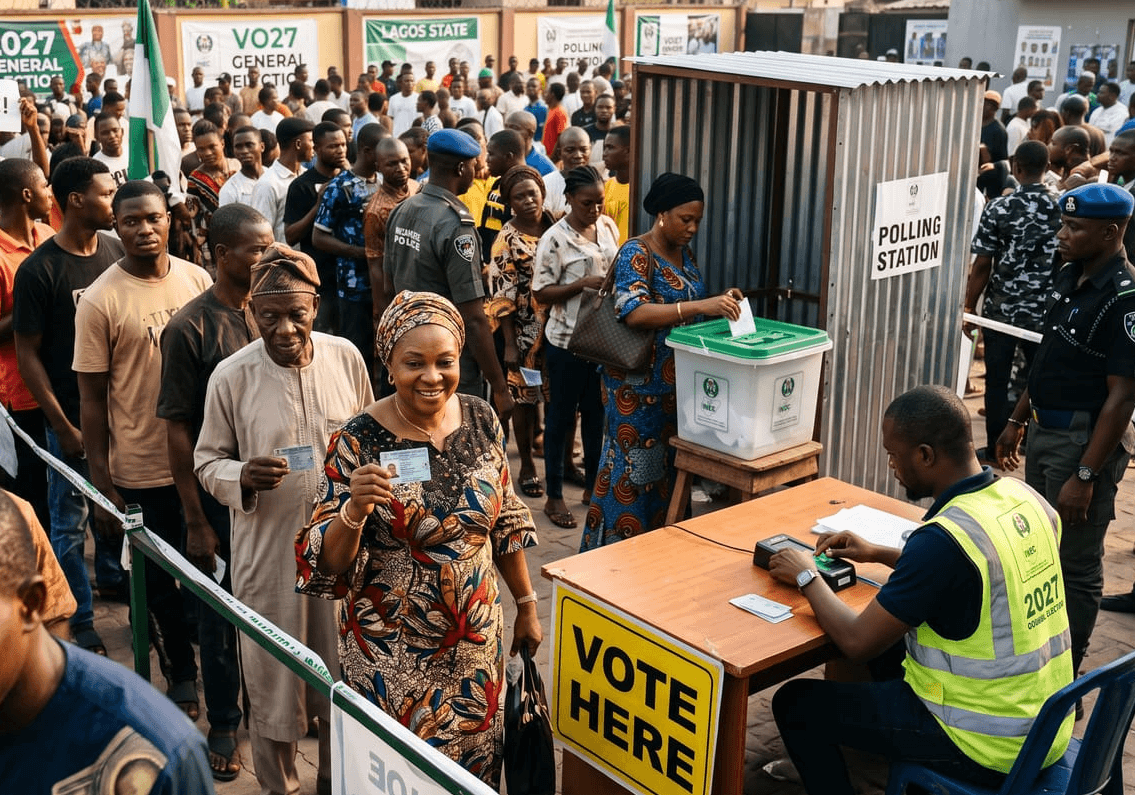
A considerable portion of the Nigerian electorate now arrives at the polling unit with expectations of monetary or material rewards in exchange for their votes. This undemocratic exchange a persistent feature of electoral competition since 2015, cutting across party lines and taking different forms before, during and after election day. The transaction may involve cash, food, goods, transport or other material inducements, with political actors and intermediaries adapting the form of exchange to local conditions. This practice will not abate come 2027. Compared with the 2023 electoral cycle, the 2027 election will take place amid substantially greater pressure on household purchasing power, raising the potential value of short-term material inducements to economically vulnerable voters. Petrol subsidy removal, naira devaluation, and food inflation have combined to make the inducement of vote trading irresistible, especially for the most economically vulnerable citizens who are most susceptible. Political intermediaries effectively operate as brokers in this electoral exchange, competing to mobilise voters on behalf of candidates and parties. They are better capitalised and more sophisticated than the civic education infrastructure that is supposed to counter them.